1. Home
  2. Solutions
  3. Reference projects
  4. From pre-series to series production

From pre-series to series production

Automotive · Suppliers

Other carmakers followed the transparent prototype. Instead of a few thousand labels in pre-series, series production means millions that have to be encoded, printed, applied and checked for every part.

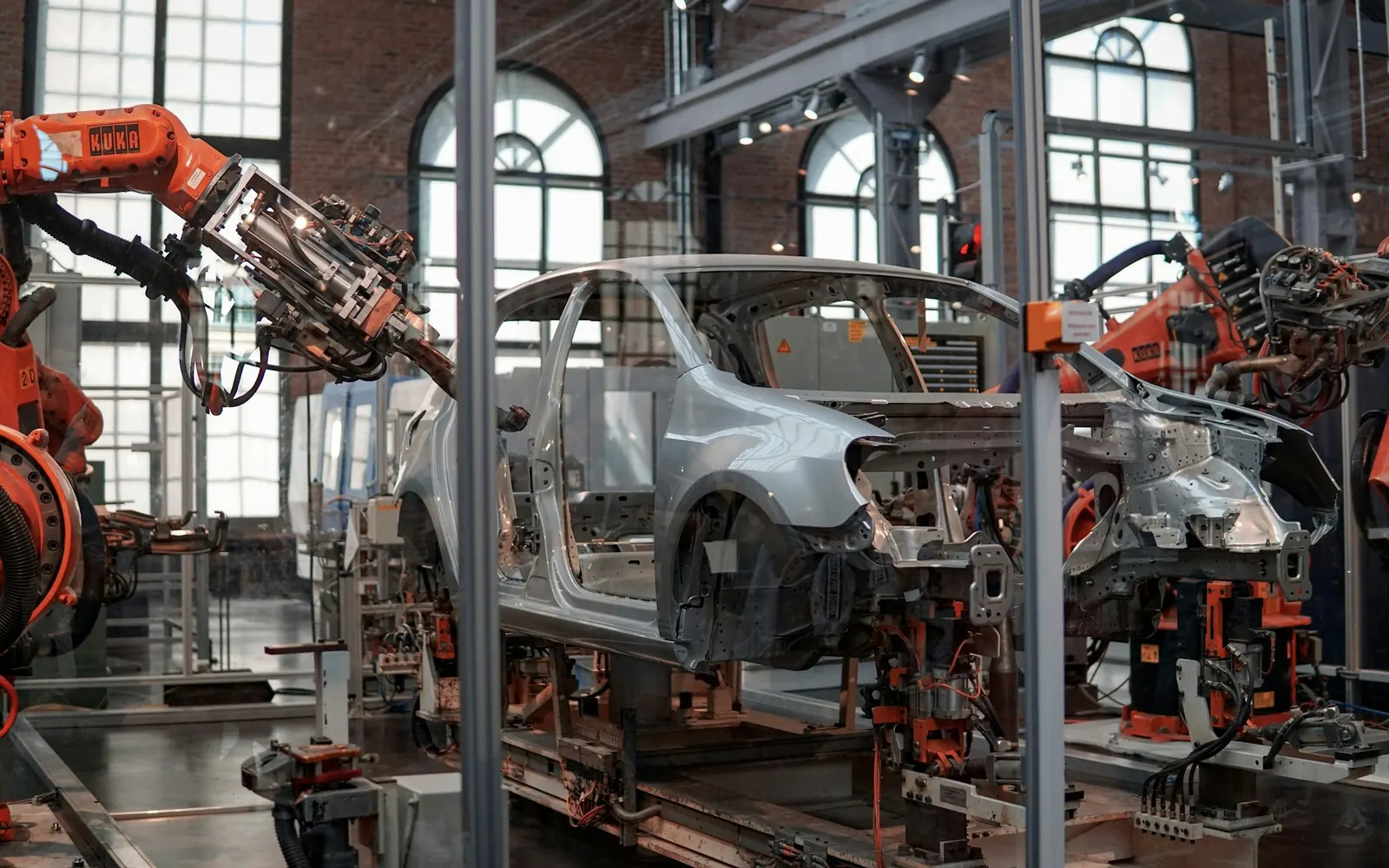
Car body in a robot cell on the vehicle production lineIllustrative image
Customer and scope

The project

Porsche introduced RFID in pre-series in 2012, VW followed in 2015 and Audi in 2016. The VW core brand then planned the step into series production, and BMW started directly in series production. For suppliers this changes the scale: instead of a few thousand labels per part it is millions. More than 700 suppliers today tag parts with solutions from Data Elektronik.

Starting point

VW (2015) and Audi (2016) first used RFID in pre-series; the VW core brand then took the step into series production. BMW is starting directly with series production. For suppliers this means RFID labels in large volumes, error-free and at line speed, to carmaker specifications such as VDA 5509, VW 01064/01067 or BMW GS 91010.

Solution

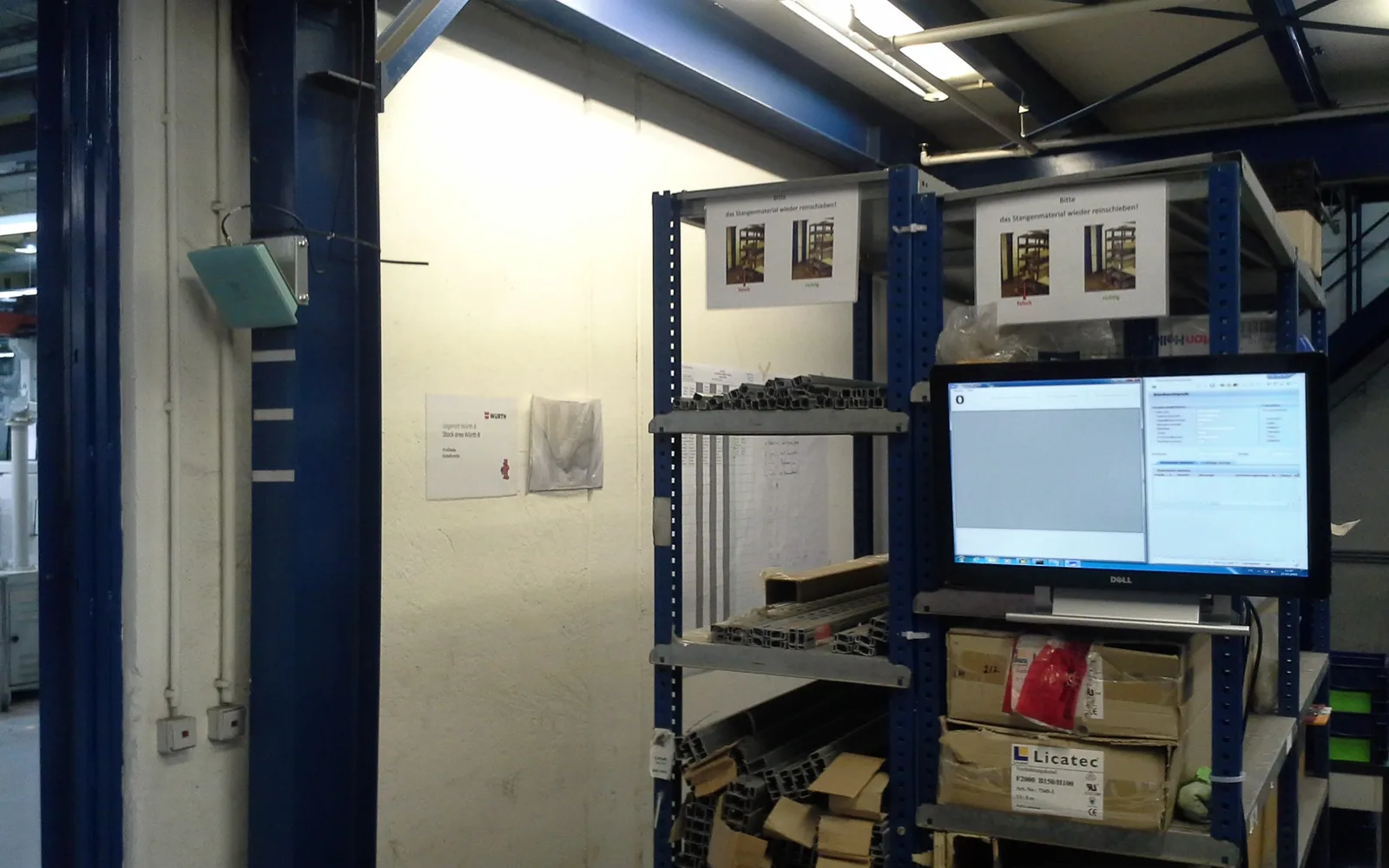
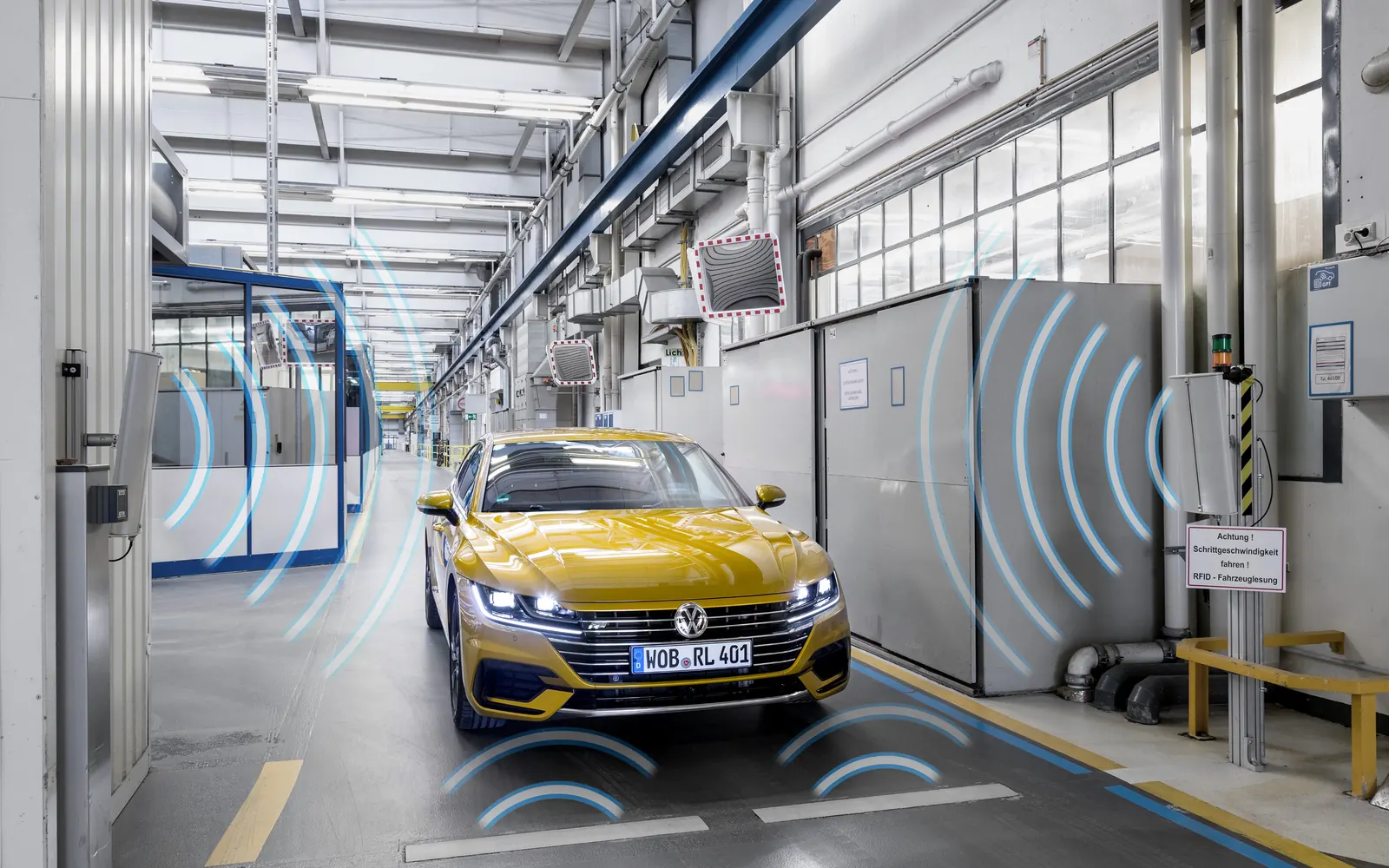
For BMW, Data Elektronik advised on capturing tags at the assembly line, contributed to the BMW Group standard for RFID, recommended tag positions and antenna alignment and ran read tests in several plants. For suppliers, an end-of-line inspection module bundles all steps at the line: receive the print trigger, print the label with the correct encoding and verify the result with a reader. Missing serial numbers are reported immediately.
How it works

  1. Print trigger

    The machine, PLC or ERP triggers printing for a part, as before.

  2. Encode and print

    The inspection module creates the print command with the correct encoding and sends it to the printer or applicator.

  3. Apply the label

    The label is applied to the part manually or automatically.

  4. Check at the line

    A light barrier starts the read, and a reader with antenna checks the label for readability and correct data. A signal light shows the result.

  5. Match the sequence

    The module matches against the print jobs and reports missing serial numbers immediately. Only valid numbers are accepted at the line.

Building blocks

End-of-line inspection module

Pre-configured, standardised system for printing, encoding and checking, controlled via the server or locally via a small box at the line.

Read station at the line

RFID reader with antenna, light barrier as trigger and a signal light.

Printers and applicators

RFID printers or print-and-apply systems, plus labels and ribbons.

DataMatrix check

If needed, fixed scanners that check the printed code for readability.

Advice for the carmaker

Tag positions, antenna alignment, encoding standards and read tests in the plants.

Technology in use

Standards
VDA 5509, VW 01064, VW 01067, BMW GS 91010
Software
R-COM® VDA 5509 with plausibility check and interfaces to customer systems
Inspection module
Via the R-COM VDA 5509 server or as a local end-of-line box based on Raspberry Pi
Hardware
RFID printers and applicators, reader with antenna, light barrier, signal light, optional fixed barcode scanners

What Data Elektronik delivered

  • For BMW: test equipment with readers, handhelds, printers and tags
  • Commissioning of gates and software for test reads
  • Advice on encoding standards and contribution to the group standard for RFID
  • For suppliers: printers, applicators, labels, readers and software from one source
  • Integration of the complete solution into production and assembly lines

Result

  • Traceability to the individual vehicle instead of recalling whole batches
  • No manual barcode scan on the carmaker’s assembly line
  • Printers, applicators, labels, readers and software for suppliers from one source
Go to the solution: Production and traceability

Let's talk about your project

An initial call with a consultant who knows your industry. Phone +49 621 4108 0 · info@data-elektronik.de